Many of the faults we see in spring did not happen in spring. They happened over winter, while the boat sat there. A flat battery, water in the pipes, damp in the cabin, bad fuel. All of it can be prevented with a few hours of work in November.
Not every boat winters the same way. Some stay in the water, some come out on land, and some sit inland where it really does freeze. The list below applies to all of them, and where it differs, we say so.
Engine
Old engine oil holds combustion acids and moisture. If it sits in the engine all winter, it attacks the metal. That is why oil and filter are changed before winter storage, not in spring. The same goes for the oil in the drive leg or in an outboard. If the oil looks milky, water has got in and you need to find out where from.
Fuel: a full tank has less air in it, so less condensation builds up. A fuel stabiliser helps, and before the season it is worth checking the pre-filter and the water separator. Fuel that stands for months can go off or collect water, and then the engine runs badly in spring.
Cooling: if the boat can see temperatures below freezing, the cooling system should be drained or filled with the antifreeze your engine maker recommends. On the coast this is rarely needed, but inland and for boats on a trailer it is a must. A cracked block or heat exchanger is an expensive fault.
Batteries
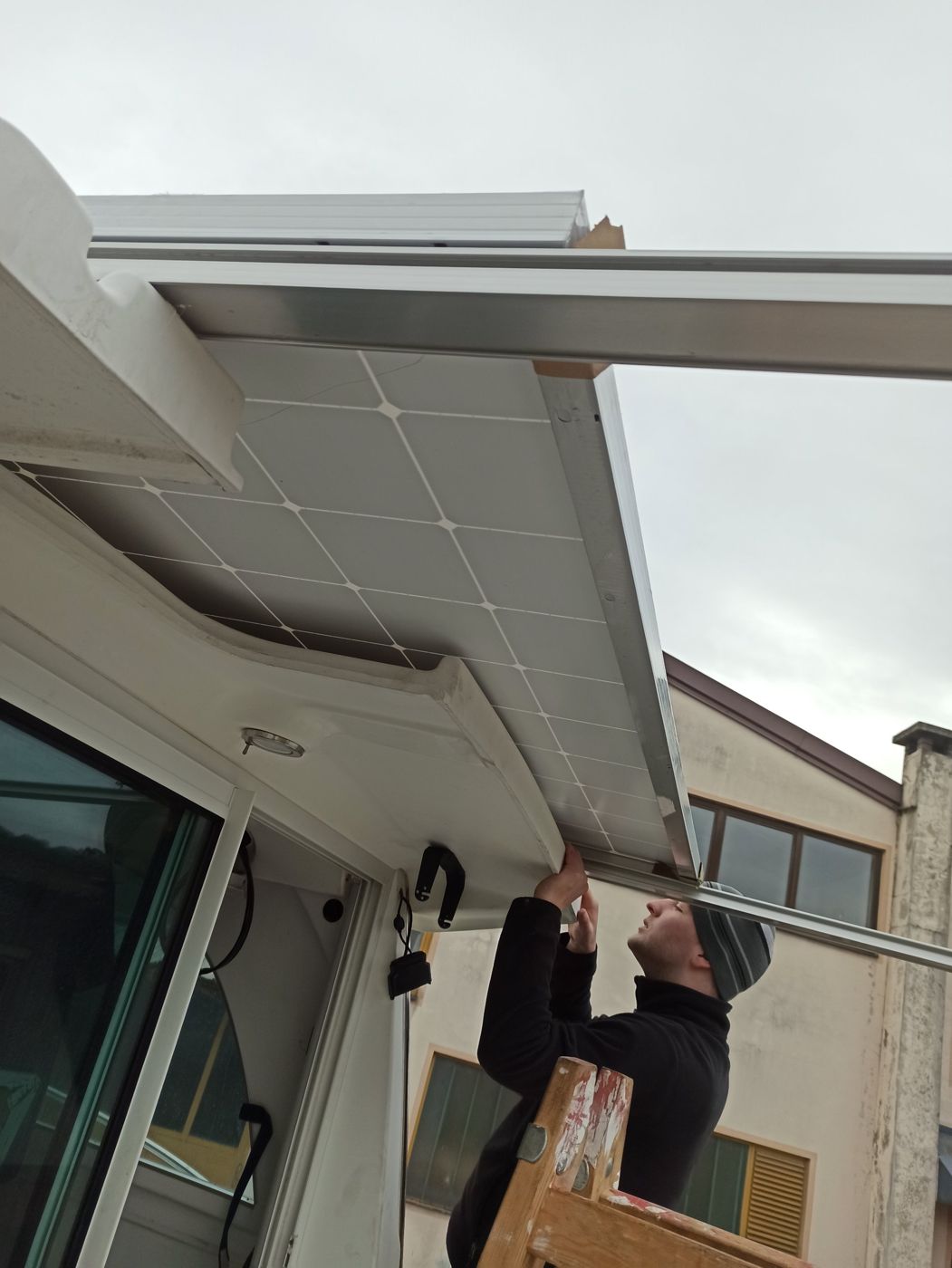
Batteries do not cope well with winter. A flat lead-acid battery sulphates and permanently loses capacity, and a completely empty one can freeze. So charge them fully before storage, and then either disconnect them or keep them on a small automatic charger. If the boat has a solar panel, the regulator will look after them on its own, which is one of the better reasons to have a solar system. Lithium batteries have their own storage rules, so follow the manufacturer's instructions.
Check the terminals too. Corroded or loose terminals can look like a dead battery in spring when it is really just a bad contact.
Drinking water and heads
Water left in pipes, the water heater and pumps expands when it freezes. Drain the tank, pump, heater and pipes, and if you like, fill the system with an antifreeze made for that purpose. Leave the taps open so there is no pressure held in the system. Empty and flush the toilet system as much as you can.
Bilge and seacocks
Clean the bilge and check that the pump works and that the float switch is not stuck. A boat that spends the winter in the water relies heavily on that pump. The pump needs power, so the battery it is connected to has to stay charged.
Check seacocks and drains. Close what does not need to be open, and for what must stay open, look at the hoses and clamps. If the boat comes out onto land, that is the best time to inspect seacocks, because they are dry.
Electrics
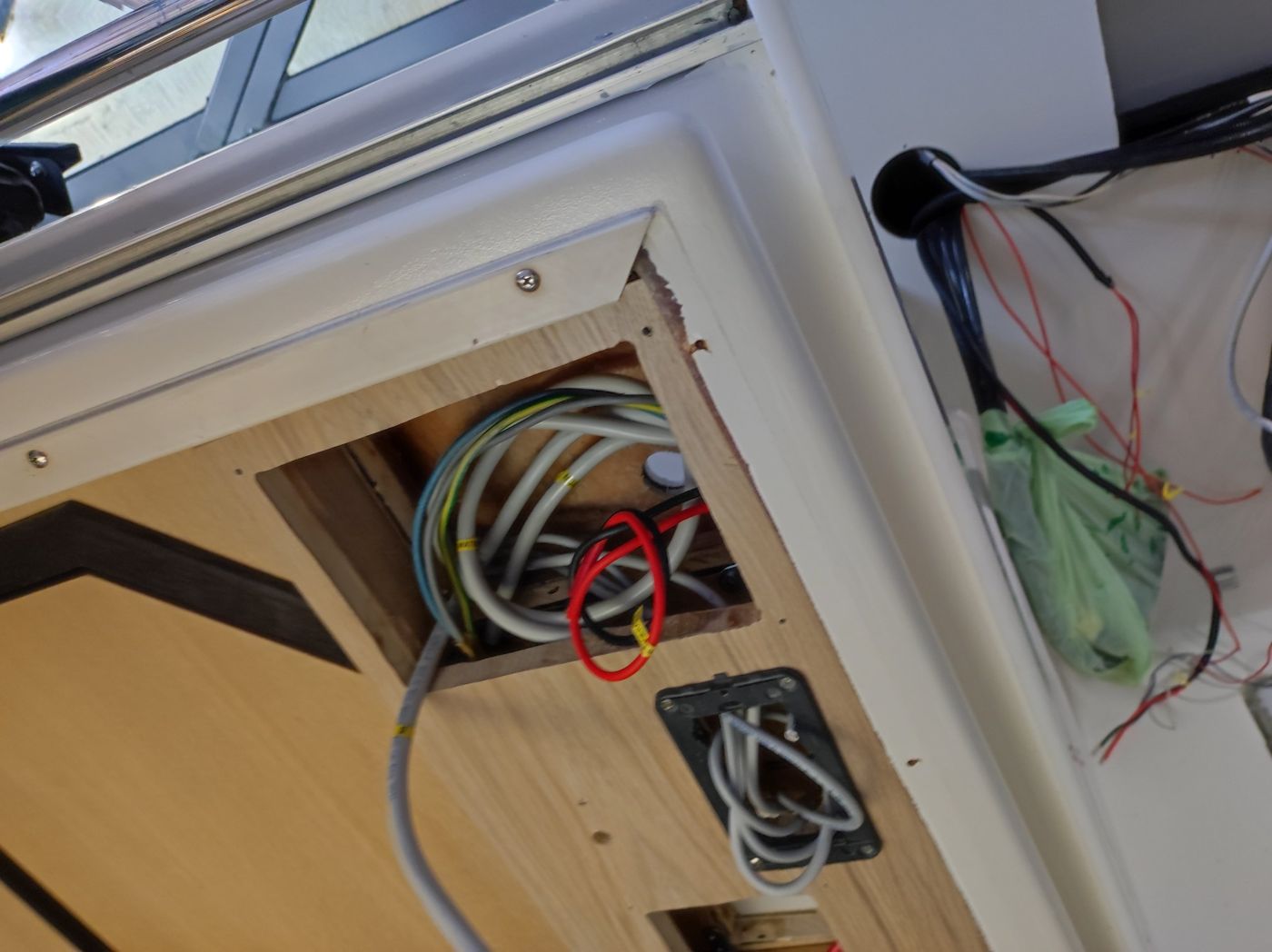
Before you leave, switch off all consumers and the main switch, except what has to keep running: the bilge pump and possibly a charger. If you have a shore power cable, disconnect it, or at least check the fuse and the socket on the boat, because a cable left plugged in for months in a damp place can cause trouble.
If you use the boat in winter too, this is also a good moment to check the installation. We wrote about what to look for in signs your boat's electrical system needs checking.
Damp, ventilation and covers
Moisture is the biggest enemy of the interior in winter. Leave locker doors and drawers open, take out the mattresses or stand them on edge, and put a moisture absorber in the cabin. If you cover the boat with a tarpaulin, leave openings for air. A tarp stretched tight like cling film creates condensation, so the boat can end up damper under it than without it.
Deck equipment
Rinse and grease the anchor windlass, and check the chain and the anchor connections. If you have a bow thruster, look at the anodes and the connection to the battery. When the boat is on land, clean and inspect the propeller, shaft and anodes, and do the antifouling then, not in a rush in April.
What we can do
If you do not have time, or are not sure what is needed, we can inspect the boat, change oil and filters, check the batteries, the bilge pump and the installation, and give you a list of what to sort before the season. More on that on the boat service page.
Winterising usually costs less than repairing the damage in spring. Get in touch and we will agree a date.