When someone asks us about an autopilot, the first question is not which model. The first question is how your steering is built. An autopilot on a boat with hydraulic steering connects to the hydraulics, not to the wheel itself, so the whole installation depends on the hydraulics. Here we describe how we do it with Raymarine systems.
First we look at the boat
Before the installation we visit the boat. We look at the helm unit and the steering cylinder, and at their volumes. This is not a formality. The autopilot pump has to match the system it connects to, and if it is chosen by someone who has not seen the boat, it can turn out too small or unsuitable.
Choosing the system
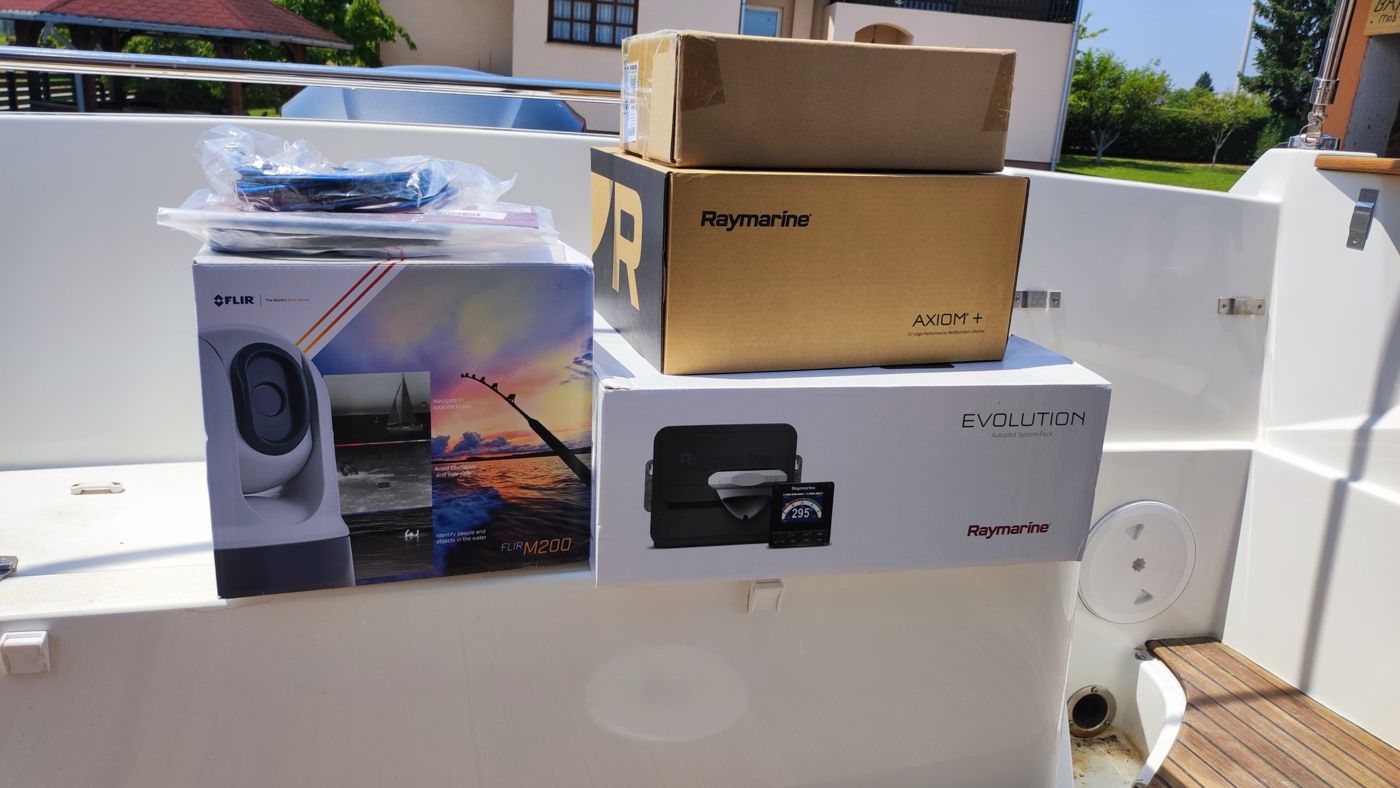
Once we know what the boat has, we choose the system by the parameters we already have. The boat does not have to be rebuilt. Raymarine offers several pump and unit versions, and we pick the one that fits the helm unit and cylinder already on the boat.
In rare cases the helm unit or the steering cylinder does get replaced. That happens when the existing parts cannot work with an autopilot, or are in such a state that it makes no sense to build on them.
Measuring and new hoses
On the boat we take measurements and make new hoses, so that everything can be connected into one whole and the system works properly. Hoses that are fine for an ordinary wheel are not always fine once an autopilot pump and a valve are added to the circuit, so they are made to measure for that boat.
Installation and connecting
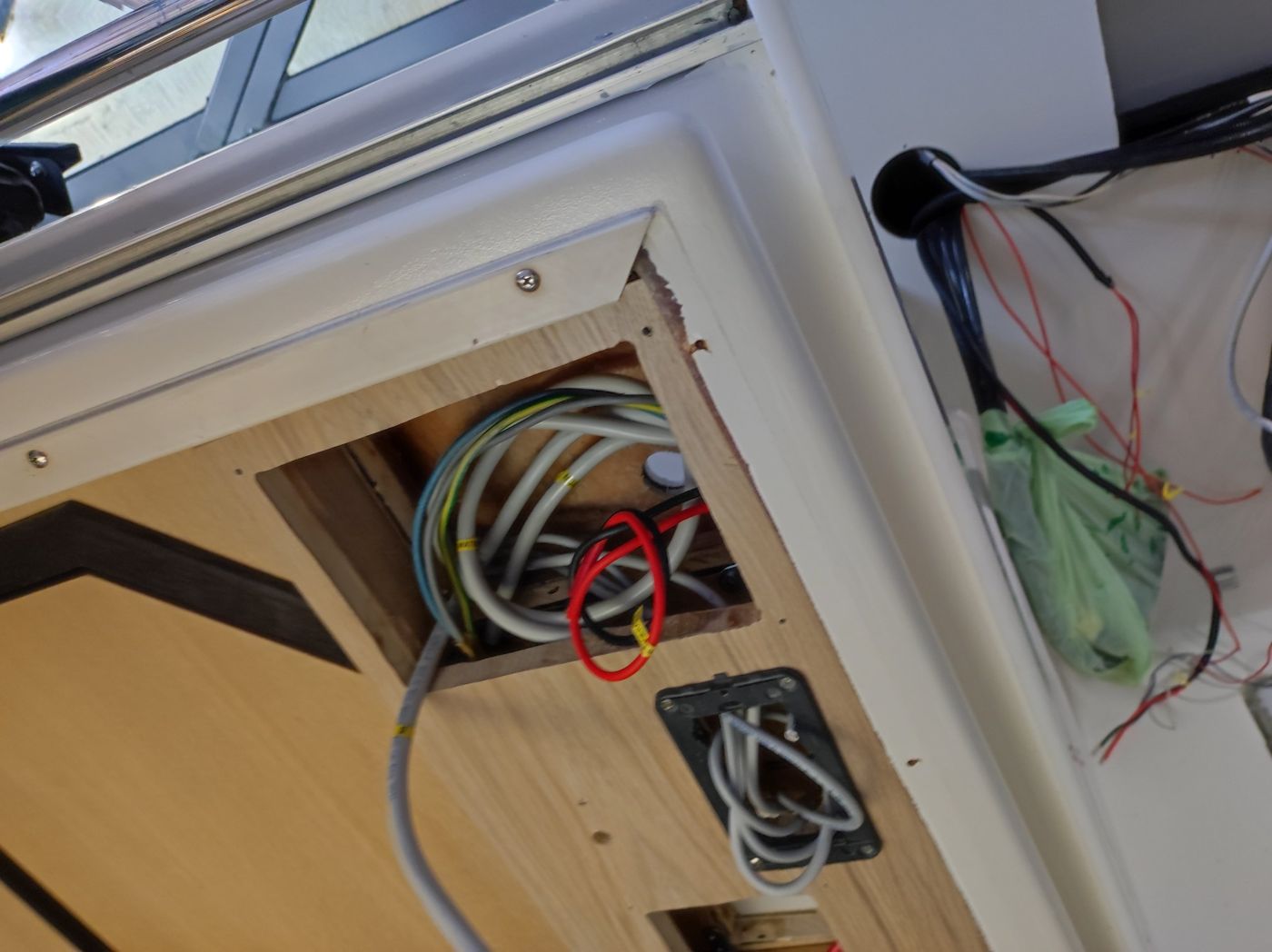
Next the valve, hoses and autopilot pump are installed, and everything is connected into one system. Alongside the hydraulics comes the electrical side: power, cables and the link to the other devices on board.
Filling with oil and bleeding
Once everything is connected, we fill the helm with oil, which also bleeds the system. This step matters more than it looks. Air in a hydraulic system compresses, unlike oil, so a system with air in it will not work correctly: the wheel feels soft, the rudder lags, and the autopilot does not respond the way it should. That is why the system is bled thoroughly, not roughly.
What we need from you
To start, tell us which boat it is and what steering it has, if you know. A photo of the helm unit helps, but we only get the real picture when we come to the boat. We take care of the rest.
More on this on the autopilot installation page. If you are thinking about an autopilot, get in touch and we will arrange a visit to the boat.