When you buy a used boat it is easy to fall in love with the looks. A lovely deck, a tidy cabin, a price that is "really good". But the things that actually cost money are usually not visible at first glance: water in the laminate, a tired engine, an installation that someone has been adding to for years without a plan.
These are the things we look at when we inspect a boat before purchase. You can check some of them yourself.
The hull
Start on the outside. Look at the gelcoat and look for cracks, especially around fittings, near the transom and in corners. A small crack in the gelcoat is no drama, but water can get in through it.
Osmosis, meaning blisters in the laminate under the antifouling, is not the same problem everywhere. Sometimes it is cosmetic, sometimes it is serious. That is why you measure hull moisture with a moisture meter instead of judging it by eye.
Look especially at the transom and the area under the floor panels. If the laminate is soft or sounds hollow when you tap it, that is a sign of water inside.
The engine
Look at the engine cold. If it has already run before you arrive, you cannot see how it behaves when starting. Watch how it starts, what kind of smoke comes from the exhaust and how long it lasts.
Look at the oil. If it is milky or has emulsion in it, water or coolant is getting in, and that is expensive. The same goes for the oil in the drive leg on boats with a sterndrive.
Engine hours help, but they are not everything. An engine with 800 hours that stood unused for years is not necessarily better than one with 1,500 hours that was serviced regularly. Ask for the service book.
The electrics
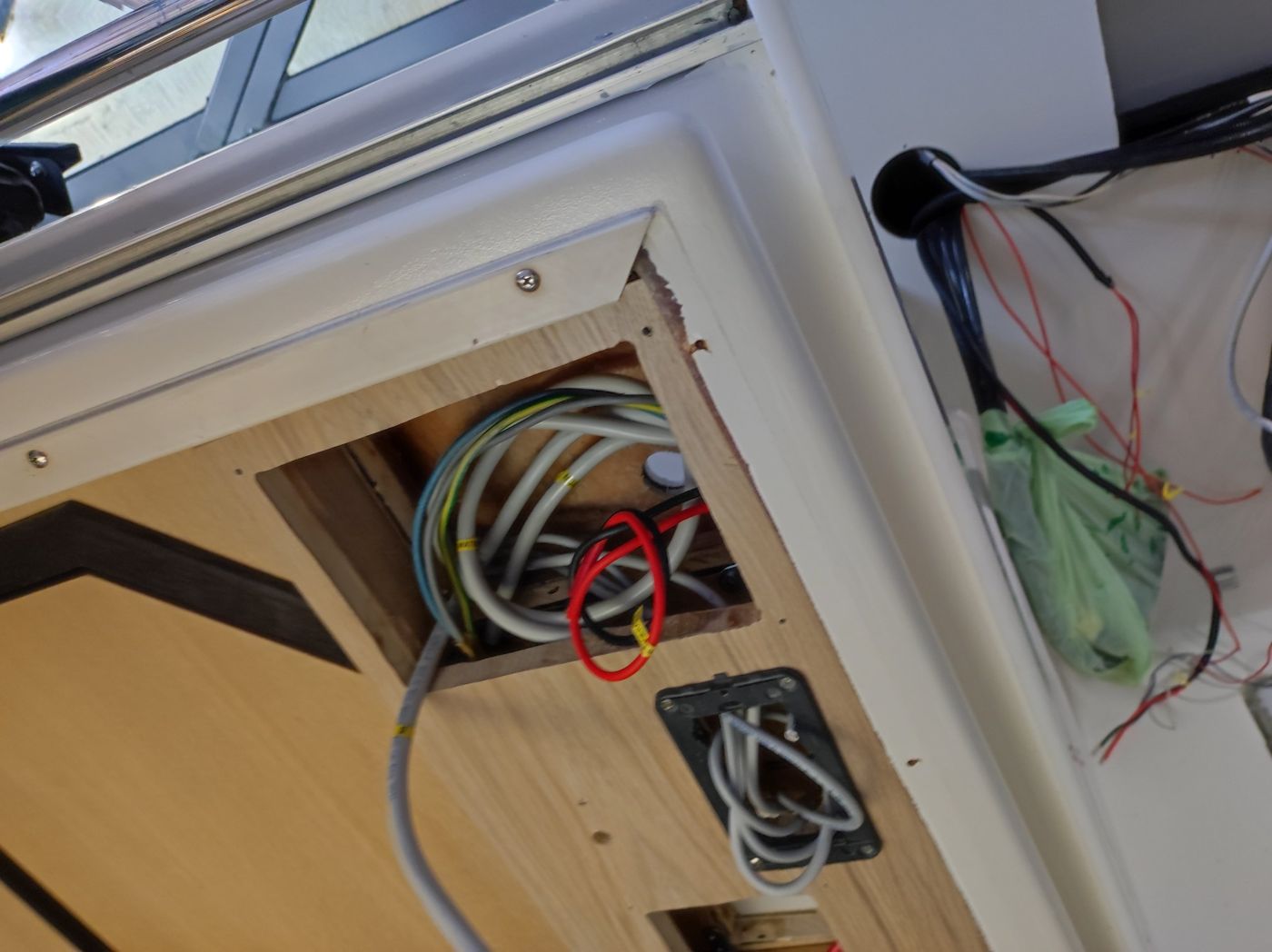
This is where the surprises usually are. Look at the cables in the bilge and behind the panels. Green corrosion on terminals, bare joined wires and cables that go nowhere are signs of improvised repairs.
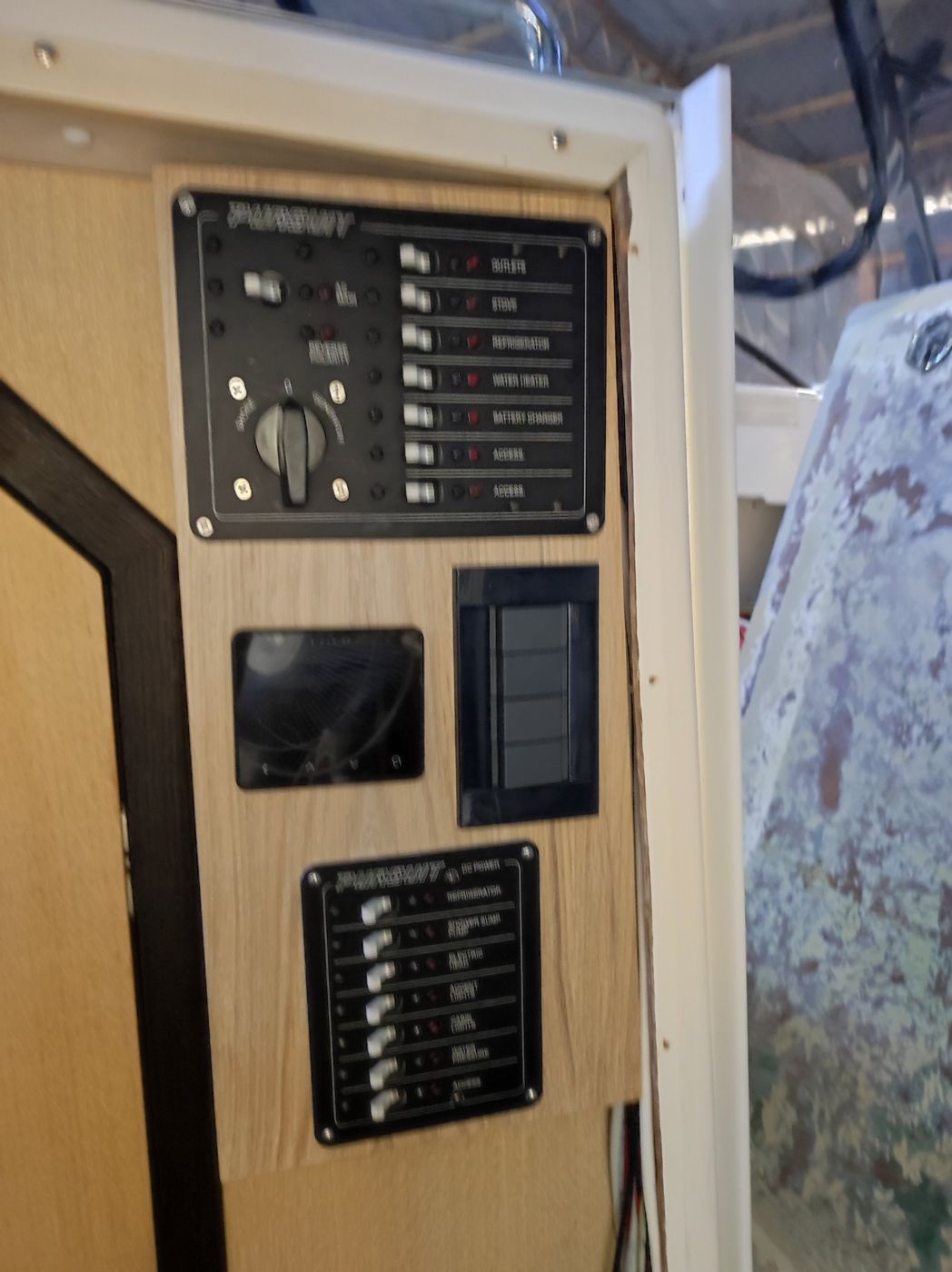
Try everything that is there: lights, pumps, navigation, fridge, charger. And the shore power connection, if the boat has one. Check whether the batteries hold their voltage once charging is switched off.
The sea trial
Always try the boat at sea. Check that the engine can reach its rated rpm, whether the drive vibrates, how the steering responds and whether the trim works. Some problems only show under load.
The paperwork
Check the boat's registration, ownership and whether there are any liens. For boats from abroad, ask whether VAT has been paid and whether there is proof of it. That is not our job, but do not skip it.
When you need someone else
If the boat is worth a lot of money, it is worth having it looked at by someone who does this every day. Depending on the size of the boat, an inspection takes from a few hours to a whole day, and you get a written report with photos and an assessment of what needs to be repaired. With that report it is easier to negotiate the price.
We offer inspections in packages by boat size. See inspection packages and prices or tell us which boat you have in mind.